Getting locked out of your own garage can be frustrating, especially when you need to access your car or tools. While calling a locksmith is always an option, learning the basics of lock picking can be a useful skill for emergency situations.
This guide is designed for educational purposes to help homeowners understand how their locks work and what to do if they’re locked out. We will provide a clear, step-by-step process on how to pick a garage door lock using simple tools and techniques. Remember, this information should only be used on your own property.
Why Understanding Your Garage Lock Matters
Knowing the mechanics of your garage door lock is about more than just getting back in when you’re locked out. It’s a fundamental part of home security. By understanding how these locks function, you can better assess their strengths and weaknesses. This knowledge empowers you to identify potential security vulnerabilities and make informed decisions about upgrading your system. Whether you have a simple T-handle lock or a more complex deadbolt, grasping the basic principles helps you maintain your property’s safety. This guide provides an educational look into these mechanisms, giving you the confidence to manage your home’s security effectively.
8 Step Methods Guide on How to Pick a Garage Door Lock
Step 1: Gather the Right Tools
Before you begin, you will need a few specialized tools. The most basic lock picking kit consists of a tension wrench and a pick. The tension wrench, often L-shaped, is used to apply slight rotational pressure to the lock cylinder. The pick is a thin piece of metal with a shaped tip designed to manipulate the pins inside the lock.
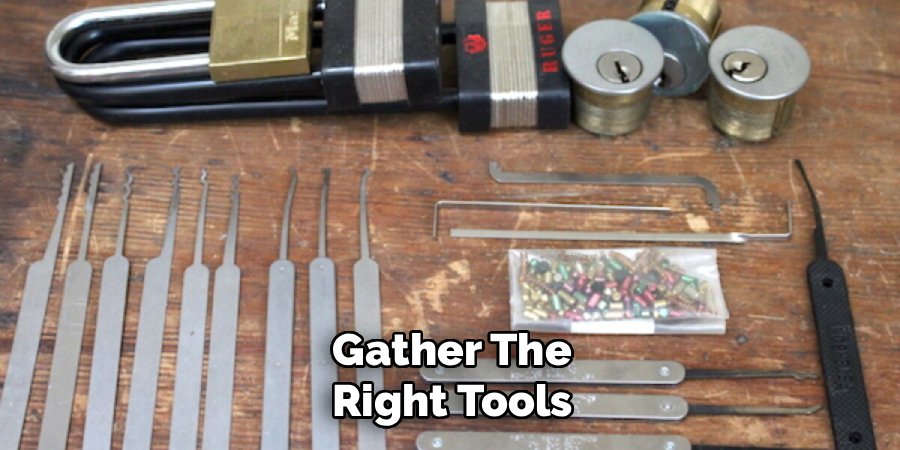
For beginners, a simple hook or a diamond pick is often sufficient. It’s important to use tools designed for lock picking to avoid damaging the internal mechanism of your lock. Makeshift tools like paperclips can break off inside the lock, creating a more significant problem.
Step 2: Identify Your Garage Door Lock Type
Garage doors come with various types of locks, and your approach will depend on which one you have. The most common is the T-handle lock, which features a T-shaped handle that turns to move locking bars on the inside. Another common type is the slide bolt lock, which is manually operated from the inside but can sometimes be accessed. Some garages feature standard pin-tumbler deadbolts, similar to those on house doors. Examine your lock closely to understand its mechanism. T-handle and simple pin-tumbler locks are generally the most susceptible to picking, making them a good starting point for learning.
Step 3: Insert the Tension Wrench
Take your tension wrench and insert the short end into the bottom of the keyway. The goal is to apply a very light, consistent turning pressure in the direction you would normally turn the key to unlock the door. This pressure is crucial because it creates a tiny ledge on the pins inside, which is what allows you to “set” them in place. Applying too much pressure will bind the pins and make them impossible to move. Too little pressure will cause the pins to fall back down after you lift them. Finding the right amount of tension is a delicate balance that comes with practice.
Step 4: Insert the Pick and Feel for the Pins
With the tension wrench held in place, slide your lock pick into the top of the keyway, above the wrench. Gently move the pick to the very back of the lock. You should feel a series of small, springy objects; these are the key pins. Your objective is to lift each of these pins to the correct height. As you lightly probe them with your pick, you’ll notice they move up and down. Take a moment to count them and get a feel for their positions within the lock cylinder. This initial exploration helps you create a mental map of the lock’s internal structure.
Step 5: Begin Lifting the Pins (Setting the Pins)
Continue applying light tension with the wrench. Use your pick to apply slow, upward pressure to the rearmost pin. You are looking for a pin that feels a bit stiffer than the others. This is called the “binding pin.” As you lift this pin, you’ll feel a slight click, and the lock cylinder may rotate a tiny amount. This indicates that the pin is “set.” Once the first pin is set, the tension from the wrench will hold it in place. Now, you can move on to the next binding pin, repeating the process until all pins are set.
Step 6: Apply the Raking Technique if Needed
If setting pins individually proves too difficult, you can try a technique called raking. This method is often faster for beginners, especially on simpler locks. Insert your pick all the way to the back of the lock. While maintaining light tension with the wrench, quickly and smoothly pull the pick out, wiggling it up and down as you go. The goal is to bounce all the pins into their set positions at once. You may need to repeat this raking motion several times. Listen for the clicks of the pins setting and feel for the slight rotation in the cylinder.
Step 7: Complete the Turn and Open the Lock
Once all the pins are set, either by picking them one by one or through raking, the tension wrench will allow the lock cylinder to turn freely. You’ll feel a more significant give than the small clicks you felt before. At this point, simply turn the tension wrench as you would a key. This will disengage the locking mechanism, and you will have successfully learned how to pick a garage door lock. Once the handle or bolt is unlocked, you can open the garage door. Be sure to practice responsibly and only on locks that you own.
Step 8: Safety and Legal Considerations
Before attempting to pick any lock, it is essential to be aware of the legal and ethical implications. Lock picking should only be practiced on locks that you own or have explicit permission to work on. Unauthorized lock picking can lead to legal consequences and may be considered a criminal act in many jurisdictions.
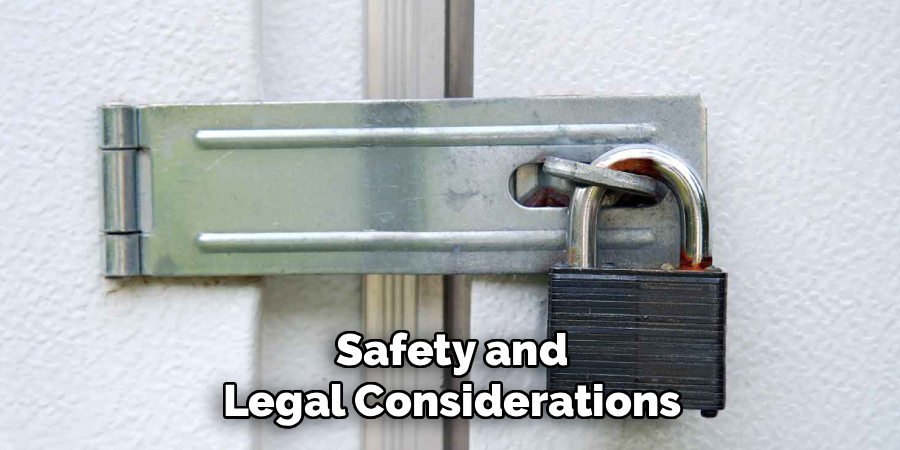
Additionally, always take precautions to ensure that your practice sessions are safe, using proper tools and avoiding damage to the lock mechanism. Remember, the skills gained from lock picking carry a great responsibility and should only be used for legitimate purposes.
Maintain and Store Your Tools Properly
Proper maintenance and storage of your lock picking tools are essential for ensuring their longevity and effectiveness. After each practice session, inspect your tools for any signs of wear or damage. Keep them clean by wiping away dirt or residue, as this can affect their performance over time. Store your tools in a secure, organized case to prevent misplacement and damage. Properly cared-for tools will not only perform better but also convey a level of professionalism and respect for the craft.
Frequently Asked Questions
What Are the Most Common Types of Garage Door Locks?
The most common types include T-handle locks, slide bolt locks, and electronic keypads. T-handle locks are very common on manual doors and use a simple key mechanism. Slide bolts are mounted on the interior and offer a basic level of security. Electronic keypads and smart openers have become popular for their convenience and advanced security features.
Is It Legal to Pick a Lock?
It is legal to pick a lock that you own or have explicit permission to pick. However, picking a lock on someone else’s property without their consent is illegal and can lead to serious criminal charges, including breaking and entering. The information and skills related to lock picking should always be used ethically and responsibly.
Can I Damage My Lock by Picking It?
Yes, it is possible to damage your lock, especially if you are inexperienced or use improper tools. Applying too much force with the tension wrench can bend the internal components, and using makeshift picks like paperclips can cause them to break off inside the keyway. It is always best to use proper lock picking tools and apply gentle, patient pressure.
What Should I Do if I’m Not Comfortable Picking My Lock?
If you are locked out and do not feel comfortable attempting to pick the lock yourself, the safest option is to call a professional locksmith. Locksmiths have the right tools and expertise to open your door quickly and without causing any damage to the lock or the door. This is the recommended course of action for most people in a lockout situation.
Are There More Secure Alternatives to Standard Garage Locks?
Absolutely. If security is a major concern, consider upgrading your lock. High-security deadbolts offer significantly more resistance to picking and forced entry. Smart garage door openers provide another level of security, allowing you to monitor and control access remotely from your smartphone and receive alerts about any activity.
Conclusion
Learning the basics of how a lock works and how to manipulate it can be an empowering skill for any homeowner. By following the steps outlined in this guide—from gathering the right tools to gently setting each pin—you can gain access to your garage in an emergency. Remember that patience and a light touch are your best assets in this process. While this guide provides a foundation, the best way to master the technique is through practice on locks you own. We encourage you to use this knowledge responsibly and continue learning about home security. With this guide, you now have a better understanding of how to pick a garage door lock.

About
Robert D is a distinguished figure in the world of Safety Systems and Risk Management, with a decade of expertise creating innovative and sustainable workplace solutions. His professional focus lies in merging traditional safety protocols with modern digital monitoring techniques, fostering environments that are both practical and hazard-conscious. As the lead author of SafetyRift, Robert delves into the art and science of risk mitigation, inspiring safety officers and industry professionals alike to bridge the gap between compliance and culture.
Education
RMIT University (Melbourne, Australia)
Associate Degree in Design (Industrial Safety)
-
Focus on sustainable safety infrastructure, industry-driven risk assessments, and practical implementation.
-
Gained hands-on experience with traditional hazard identification and digital monitoring tools, such as IoT safety sensors and predictive analytics software.
Nottingham Trent University (United Kingdom)
Bachelor’s in Occupational Health and Safety (Honors)
-
Specialized in systemic design with a focus on blending human behavior psychology with modern safety production techniques.
-
Participated in industry-wide projects, working with global logistics and manufacturing firms to gain real-world insights into large-scale safety deployments.
Publications and Impact
In SafetyRift, Robert shares his insights on safety design processes, protective materials, and strategies for efficient, accident-free production. His writing bridges the gap between foundational safety knowledge and modern industrial needs, making it a must-read for both budding safety coordinators and seasoned risk management professionals.