Getting locked out of your safe is a stressful experience, especially when you need access to your valuables or documents quickly. You might be staring at the metal box wondering if you will ever get your items back. Fortunately, there are several methods you can try before calling an expensive locksmith. Understanding the mechanism of your specific model is the first step toward resolving the issue without causing permanent damage.
This guide is designed to help you navigate this frustrating situation with patience and care. We will walk you through safe, legal, and effective methods to regain access. Whether you lost your keys or the keypad died, learning how to open a Stack on Safe without a key is entirely possible with the right approach and a little bit of patience.
Why Knowing Emergency Access Methods Matters
Understanding alternative ways to open your security box is crucial for any responsible owner. Emergencies happen, and keys are easily misplaced during moves or chaotic life events. Sometimes, the electronic components of a digital lock simply fail due to dead batteries or wiring issues. In these moments, having knowledge of non-destructive entry methods can save you hundreds of dollars in professional service fees.
Furthermore, knowing these techniques helps you better understand the vulnerabilities of your own security system, allowing you to take better precautions in the future. It is not about learning to be a safecracker for illicit reasons; it is about empowering yourself to manage your own property effectively. By mastering these skills, you ensure that you are never permanently separated from your essential documents, firearms, or heirlooms just because a small piece of metal went missing.
8 Step Methods Guide: How to Open a Stack on Safe without A Key
Step 1: Verify the Battery Status and Power Supply
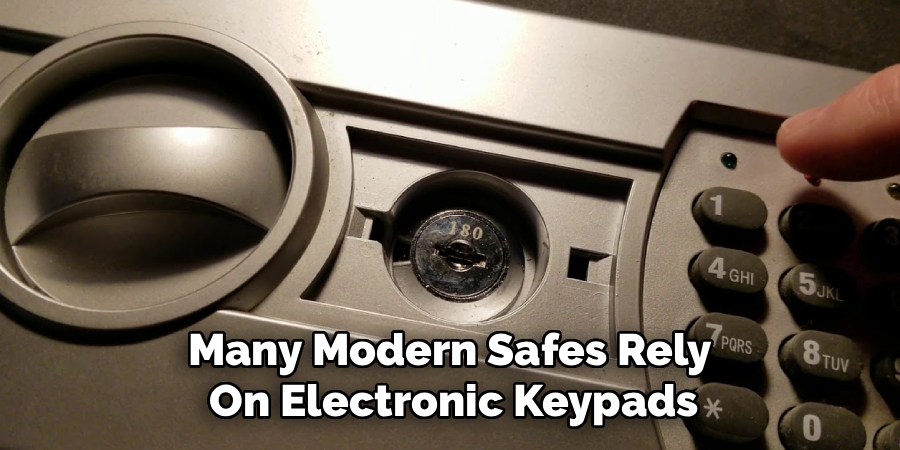
Before attempting any mechanical bypass methods, you must rule out the most common reason for lockout, which is power failure. Many modern safes rely on electronic keypads that require fresh batteries to operate the solenoid. If the batteries are dead, the correct code will not trigger the unlocking mechanism. Locate the battery compartment, which is often behind the keypad or under a small cover.
Replace the old batteries with high-quality, brand-new alkaline batteries. Sometimes, simply refreshing the power source is enough to engage the lock and allow you to open the door using your original code. Do not assume the batteries are good just because the lights blink; the solenoid needs a strong current to retract the bolt.
Step 2: Locate the Override Keyhole
Most electronic safes come with a backup mechanical override for exactly this situation. Even if you think you have lost the key, it is worth searching specifically for the keyhole itself, as it is often hidden. Look for a small removable plate or a sticker near the keypad or dial. Some manufacturers conceal this access point to maintain a sleek aesthetic.
Gently pry off the cover to reveal the cylinder. Once you have located this keyhole, you can determine if you might have simply misplaced the backup key nearby or if you need to proceed to more advanced picking or bypassing techniques. Finding this hidden slot is essential for understanding the mechanical anatomy of your specific security container.
Step 3: Utilize the Solenoid Bounce Method
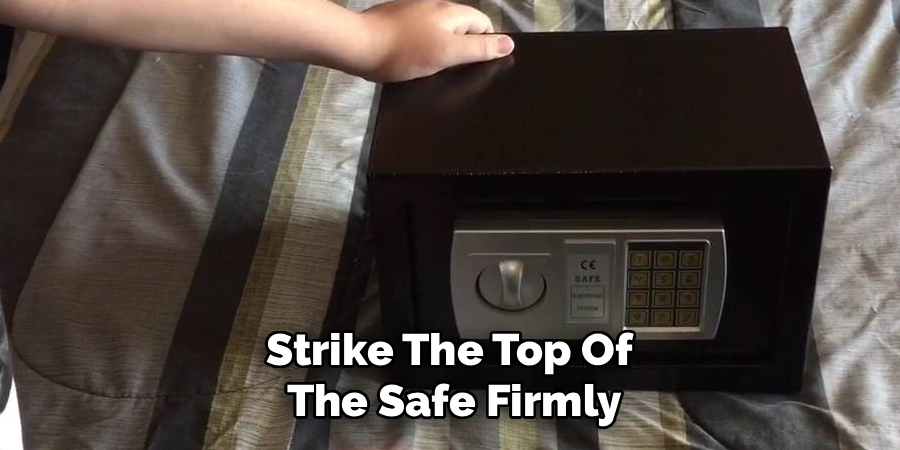
If your safe utilizes a standard electronic lock, you might be able to open it using a technique known as bouncing. This method exploits the physics of the internal solenoid, which is the component that keeps the door locked. To do this, you will need a rubber mallet or a similar soft-faced hammer.
Strike the top of the safe firmly directly above the locking mechanism while simultaneously turning the handle. The shock from the impact can momentarily jar the solenoid pin downward, releasing the lock for a split second. This requires precise timing and may take several attempts to coordinate the strike with the handle turn. It is a non-destructive method that works surprisingly well on lower-security models.
Step 4: Attempt to Pick the Backup Lock
If you have located the backup keyhole but do not have the key, you can try picking the lock. Most of these backup cylinders are simple wafer locks or tubular locks, which are not as secure as the main locking bolts. You will need a lock pick set or even improvised tools like paperclips. Insert a tension wrench into the keyway and apply slight rotational pressure.
Then, use a rake or a pick to manipulate the pins or wafers inside the cylinder. As you set each pin, you should feel the plug rotate slightly. This requires patience and a steady hand. If you are successful, the cylinder will turn just like a key was inserted, allowing you to bypass the electronic lock entirely.
Step 5: Check for a Reset Button Hole
Some safes have a small reset button located on the interior of the door, but occasionally, there are design flaws that allow access from the outside. Inspect the back or sides of the safe for any small holes or openings. Through these gaps, you might be able to insert a long, thin wire or a coat hanger to press the reset button inside.
If you can successfully press this button, you can often enter a new factory default code. This effectively resets the electronic brain of the lock, letting you open it with a sequence like 1-2-3-4. This method depends heavily on the specific construction and whether there are any mounting holes that go all the way through to the interior compartment.
Step 6: Try the Pry Bar Method
When non-destructive methods fail and you absolutely must access the contents immediately, prying the door is an option, though it will likely damage the unit. Place the safe on its back on a solid surface so you can get leverage. Insert a strong pry bar or a large flathead screwdriver into the seam between the door and the frame, specifically on the side opposite the hinges where the locking bolts are located. Apply significant force to lever the door frame away from the bolts. You are essentially trying to bend the metal casing enough for the bolts to slip past the strike plate. This should be a last resort, as it ruins the security integrity of the box forever.
Step 7: Drill the Lock Cylinder
Drilling is another destructive method used when learning how to open a Stack on Safe without a key becomes a matter of necessity over preservation. This method targets the lock cylinder itself. You will need a power drill and high-quality metal drill bits. locate the center of the keyway on the backup lock or the center of the dial mechanism.
Apply steady pressure and drill straight through the pins inside the cylinder. Once the pins are destroyed, the lock mechanism should turn freely with a flathead screwdriver. This method is loud, creates metal shavings, and permanently destroys the locking mechanism, meaning the safe will no longer be secure after you retrieve your items.
Step 8: Consult the Manufacturer or Professional Locksmith
If all DIY attempts fail, or if you are worried about damaging the contents, it is time to contact the manufacturer or a professional. Stack-On and other manufacturers often have a process for verified owners to purchase replacement keys. You will need to provide proof of purchase and the serial number found on the unit.
While this takes time for shipping, it preserves the safe. Alternatively, a certified locksmith has specialized tools like borescopes and auto-dialers that can open the container without destroying it. They can manipulate the lock professionally, saving you the cost of buying a new safe, although their service fee will be an investment. This is the safest route for high-value safes.
Frequently Asked Questions
What Do I Do If My Batteries Are Dead And I Lost The Key?
If your batteries have died and the backup key is missing, you still have options. First, check if your specific model has external battery contacts near the keypad. Some models allow you to hold a 9-volt battery against these external points to power the lock temporarily. This surge of power allows you to type in your code and open the door to change the internal batteries.
Where Can I Find The Serial Number On My Safe?
Locating the serial number is essential for ordering replacement keys. You can typically find this number on a sticker located on the outside of the safe. Common locations include the back panel of the unit or the lower right-hand corner of the front door. Occasionally, it might be on the side. Write this number down and keep it separate from the safe for future reference.
Is It Possible To Order A Replacement Key?
Yes, most reputable safe manufacturers allow you to order replacement keys. You will need to visit the manufacturer’s website and look for their customer service or parts replacement section. They usually require you to fill out a form that includes the model number, serial number, and a notarized statement proving you are the owner. This process ensures security and prevents unauthorized access.
Can I Use A Magnet To Open My Safe?
Using a rare earth magnet is a known bypass method for certain older electronic safes containing a solenoid. By placing a powerful magnet in a specific spot near the solenoid mechanism (usually to the side of the keypad), you can sometimes magnetically pull the locking pin back. However, many newer models are shielded against magnetic attacks, so this method is not guaranteed to work on every unit.
Will Drilling The Lock Ruin The Safe?
Drilling the lock is a destructive entry method that will ruin the locking mechanism. While the safe’s body and door might remain intact, the lock itself will no longer function, rendering the safe insecure. You would likely need to replace the entire locking assembly or the safe itself after drilling. Only choose this option if you need immediate access and do not care about reusing the unit.
Conclusion
Regaining access to your locked valuables does not always require brute force or expensive professionals. By following the steps outlined above, you can methodically troubleshoot the issue, starting with simple power checks and progressing to more complex mechanical bypasses.
Whether you utilize the solenoid bounce or order a replacement key, staying calm is your best asset. Remember to keep your new keys and codes in a secure location separate from the safe itself to avoid future lockouts. Now that you know how to open a Stack on Safe without a key, you can confidently handle this emergency and ensure your property remains accessible when you need it most.