Glass doors, such as sliding patio doors or French doors, are a beautiful addition to any home, letting in natural light and offering great views. However, their beauty can also be their biggest weakness. Because they are made of glass, they are often seen as an easy entry point for intruders.
Many homeowners worry about this vulnerability but may not know where to start when it comes to security. This guide will walk you through a series of practical and effective steps on how to protect glass doors from burglars, giving you the confidence and peace of mind that your home is safe and secure.
Why Protecting Glass Doors Is Crucial
Glass doors are a prime target for burglars for a simple reason: they are often easier to break or bypass than solid wood or steel doors. The large glass panes can be shattered, and the standard locks on many sliding doors can be forced open with relative ease. An unsecured glass door is essentially an open invitation for a break-in. By leaving them unprotected, you risk not only the loss of valuables but also the safety of your family and the sense of security you should feel in your own home. Taking proactive steps to fortify these entry points is one of the most important investments you can make in your home’s overall security.
9 Step Methods Guide on How to Protect Glass Doors From Burglars
Step 1: Install High-Quality Shatterproof Film
One of the most effective ways to reinforce the glass itself is by applying a security film. This clear, adhesive polyester film is applied directly to the interior of the glass pane. While it won’t make the glass completely unbreakable, it holds the shattered pieces together if an intruder attempts to break it. This makes entry significantly more difficult, noisy, and time-consuming, which is often enough to deter a burglar. The film also provides added benefits like UV protection for your furniture and increased safety by preventing dangerous shards from scattering during accidental breakage.
Step 2: Upgrade to a Better Locking System
The standard latch that comes with most sliding glass doors is notoriously weak and can often be jiggled open. Upgrading your lock is a critical step. Consider installing a double-bolt lock, which secures the door to the frame at two points, making it much harder to force open.

Another excellent option is a foot-operated lock that sits at the bottom of the door. For French doors, a multi-point locking system that engages the frame at the top, middle, and bottom provides superior security compared to a single deadbolt.
Step 3: Use a Security Bar
A security bar, also known as a Charley bar, is a simple yet highly effective tool for securing sliding glass doors. This adjustable metal rod is placed in the bottom track of the door, physically preventing it from being slid open from the outside. Even if a burglar manages to bypass the lock, the bar will hold the door firmly in place. Some models are hinged to the door frame, allowing you to swing them up and out of the way when not in use. This low-tech solution provides a strong, visible deterrent that adds a powerful layer of protection.
Step 4: Add Glass Break Sensors
Incorporate modern technology into your security plan by installing glass break sensors. These small devices can be placed on the door frame or a nearby wall and are designed to detect the specific sound frequency of shattering glass. When triggered, the sensor will activate your home alarm system, immediately alerting you and your security company to a potential break-in. This instant notification is crucial, as it can scare off the intruder and ensure a rapid response from law enforcement, minimizing the chance of a successful burglary.
Step 5: Improve Your Outdoor Lighting
Burglars thrive in darkness, as it provides them with cover to work undetected. Improving the lighting around your glass doors can be a powerful deterrent. Install motion-activated floodlights that illuminate the area whenever someone approaches. This sudden flood of light will not only startle a potential intruder but also make them clearly visible to you, your neighbors, and any security cameras you have in place. Well-lit entryways make your home a less appealing target, encouraging burglars to move on to an easier, less exposed property.
Step 6: Install Security Cameras
Visible security cameras are one of the best ways to deter criminals. Position a camera so it has a clear, unobstructed view of your glass door. The mere presence of a camera can be enough to convince a burglar to avoid your home altogether.
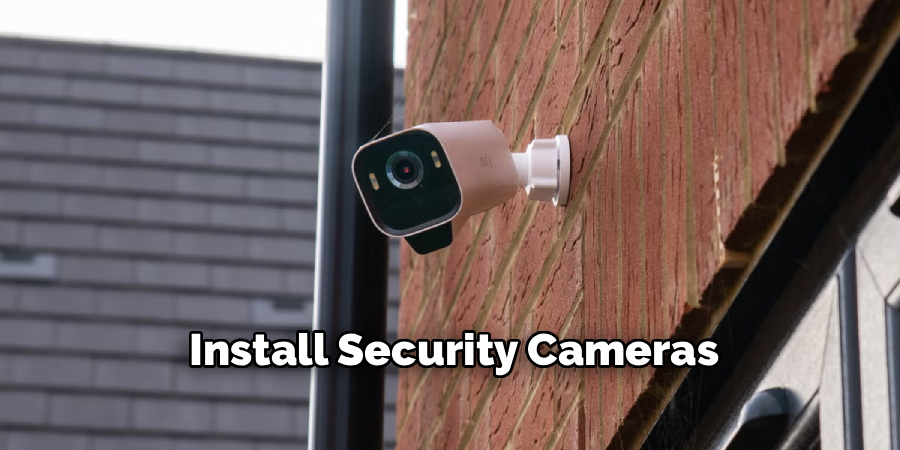
Modern smart cameras offer features like motion alerts sent directly to your phone, night vision, and two-way audio, allowing you to see, hear, and even speak to anyone at your door, no matter where you are. This provides both a deterrent and valuable evidence if a break-in does occur.
Step 7: A Beginner’s Guide on How to Protect Glass Doors from Burglars Using Landscaping
Your yard can be used as a natural barrier. Plant thorny or dense shrubs like roses, holly, or barberry bushes beneath the windows and near your glass doors. This strategic landscaping, often called “defensive planting,” creates a painful and difficult-to-navigate obstacle for anyone trying to get close to the door. It makes it harder for a burglar to approach without making noise or getting scratched, increasing the risk of being caught. This simple, natural solution integrates seamlessly with your home’s aesthetic while adding an effective layer of physical security.
Step 8: Reinforce the Door Frame and Tracks
The frame and tracks of a sliding glass door are often points of failure. Over time, they can become weak or misaligned, making it easier for someone to lift the door off its tracks or pry it open. You can reinforce the frame by installing longer, more robust screws. Ensure the track is clean and in good condition. You can also add screws into the upper track, leaving them protruding just enough to prevent the door from being lifted out, but not so much that they interfere with its normal sliding operation.
Step 9: Install Pin Locks for Extra Security
Pin locks are a simple, inexpensive, and highly effective security addition for both sliding and French doors. For a sliding door, you drill a hole through the frame of the sliding panel and into the fixed panel’s frame. A hardened steel pin is then inserted through both frames, physically locking them together. This prevents the door from being slid or lifted open. This method offers a strong, mechanical reinforcement that complements your primary lock and provides an added layer of defense against forced entry attempts.
Frequently Asked Questions
Are Glass Doors a Big Security Risk?
Yes, glass doors can be a significant security risk if they are not properly secured. The glass can be shattered, and the factory-installed locks on many sliding doors are often easy to force open. However, by implementing security measures like reinforcement films, upgraded locks, and sensors, you can turn this potential weakness into a well-protected entry point, significantly reducing the risk of a break-in and making your home much safer.
Is Laminated or Tempered Glass Better for Security?
Laminated glass is generally better for security. Tempered glass is designed to shatter into small, relatively harmless cubes to prevent injury, but it breaks completely. Laminated glass, on the other hand, has a layer of vinyl between two panes of glass. When it breaks, the vinyl interlayer holds the shards together, making it extremely difficult to create an opening. This resistance to penetration makes laminated glass a superior choice for security applications.
How Can I Secure a Sliding Glass Door on a Budget?
Securing a sliding glass door doesn’t have to be expensive. One of the most effective and affordable methods is using a security bar in the track to prevent the door from being opened. You can also purchase a simple pin lock for a few dollars. Another great budget-friendly tip is to cut a wooden dowel to fit snugly in the track, which serves the same purpose as a commercial security bar.
Will a Security Film Stop a Bullet?
Standard security films are not designed to be bulletproof. They are created to be “shatterproof” or “blast-resistant,” meaning they hold glass together against impact from blunt objects or shockwaves. While they greatly increase the strength of the glass and make forced entry very difficult, they will not stop a bullet. For that level of protection, you would need specialized, multi-layered ballistic glass, which is a much more expensive and specialized product.
Do Alarm Stickers and Signs Actually Deter Burglars?
Yes, alarm company stickers and yard signs can be effective deterrents. Burglars are looking for easy targets, and a sign indicating a professionally monitored security system suggests that a home is well-protected. It signals that a break-in attempt is likely to trigger a loud alarm and a swift response from law enforcement. While a sign alone isn’t enough, it serves as a valuable first line of defense that may persuade a potential intruder to move on to a less protected home.
Conclusion
Your home should be your sanctuary, a place where you feel completely safe. While glass doors add style and light, their vulnerability doesn’t have to be a constant source of worry. By taking a layered approach to security—combining physical reinforcements like better locks and security bars with technological deterrents like sensors and cameras—you can fortify these entry points effectively. Implementing these strategies will not only make your home a much harder target for criminals but will also provide you with invaluable peace of mind. Now that you know how to protect glass doors from burglars, you can take confident steps to secure your home today.

About
Robert D is a distinguished figure in the world of Safety Systems and Risk Management, with a decade of expertise creating innovative and sustainable workplace solutions. His professional focus lies in merging traditional safety protocols with modern digital monitoring techniques, fostering environments that are both practical and hazard-conscious. As the lead author of SafetyRift, Robert delves into the art and science of risk mitigation, inspiring safety officers and industry professionals alike to bridge the gap between compliance and culture.
Education
RMIT University (Melbourne, Australia)
Associate Degree in Design (Industrial Safety)
-
Focus on sustainable safety infrastructure, industry-driven risk assessments, and practical implementation.
-
Gained hands-on experience with traditional hazard identification and digital monitoring tools, such as IoT safety sensors and predictive analytics software.
Nottingham Trent University (United Kingdom)
Bachelor’s in Occupational Health and Safety (Honors)
-
Specialized in systemic design with a focus on blending human behavior psychology with modern safety production techniques.
-
Participated in industry-wide projects, working with global logistics and manufacturing firms to gain real-world insights into large-scale safety deployments.
Publications and Impact
In SafetyRift, Robert shares his insights on safety design processes, protective materials, and strategies for efficient, accident-free production. His writing bridges the gap between foundational safety knowledge and modern industrial needs, making it a must-read for both budding safety coordinators and seasoned risk management professionals.